Creek Flood Cleanup in Temecula, CA
When Murrieta Creek or Temecula Creek spills onto low ground, the water that comes inside is Category 3 from the start. The restoration team contains the area, removes what the floodwater touched and dries the structure.
(888) 450-9281Call for Temecula flood cleanup now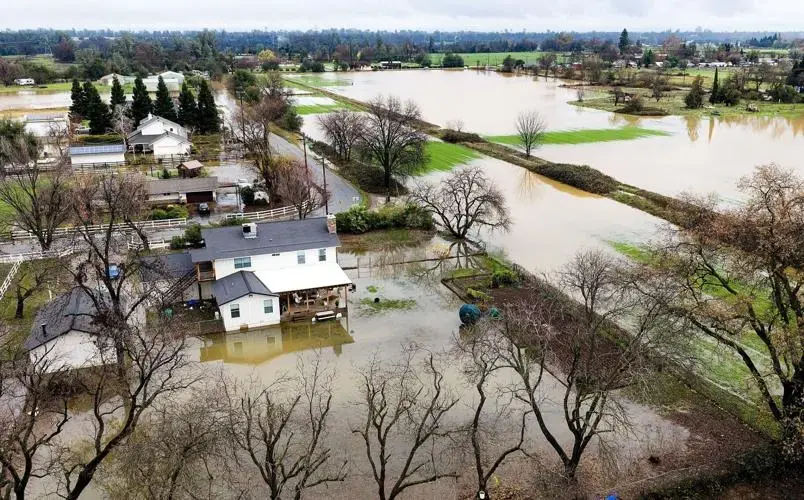
What does creek flood cleanup cost in Temecula, CA?
In Temecula, CA, creek flood cleanup typically runs $3,500 to $20,000 or more, depending on how high the water rose, how many rooms it reached, how much drywall, flooring and insulation must be removed, and how much silt was left behind.
For a closer planning number, try the water damage cost calculator. A firm price comes from the restoration company once it has seen the damage.
How creek flood cleanup is handled in Temecula
- Step 1
Walkthrough and moisture map
The tech who does the walkthrough traces the source, then maps wet drywall, subfloor and slab with thermal imaging and pinless meters before any equipment goes down.
- Step 2
Extraction
The extraction crew pulls standing water with truck-mounted extraction, so the water leaves the house instead of wicking into the next room.
- Step 3
Drying set
The drying team places air movers to each room's evaporation load and runs LGR dehumidifiers, with desiccants for dense Class 4 materials like hardwood and plaster.
- Step 4
Daily readings and the claim file
The drying team logs readings every day until wet materials land within 2 to 4 points of a dry reference, and the moisture map, logs and photos go into the claim file.
Murrieta Creek runs through Old Town and meets Temecula Creek at the Temecula Gorge, where the two form the Santa Margarita River. In the biggest winter storms the creeks have spilled onto low ground, including the flood of January 1993. Homes and storefronts along the creek corridor, and low parcels toward the river, are the ones most exposed.
Why floodwater is handled differently
Rising water picks up sewage, fuel, fertilizer and soil on its way in. Under the IICRC S500 standard it is Category 3 the moment it enters the building, so porous materials it touched get removed rather than dried.
- Carpet, pad and upholstered furniture that sat in floodwater
- Drywall and insulation below and just above the waterline
- Particleboard cabinets and baseboards that wick the water up
How the cleanup runs
The mitigation team sets containment and HEPA air scrubbers, removes silt and contaminated materials, cleans the framing and slab, and applies an EPA-registered antimicrobial at its label dwell time. Only then does the drying team set air movers and dehumidifiers and start the daily readings.
Rising floodwater is usually excluded from standard homeowners policies and falls under separate flood insurance. Photos of the waterline and the moisture log help with either kind of claim.
FloodSmart.gov explains how flood insurance claims work, and the National Weather Service flood safety page covers staying safe while the water is still up.
Trade standards on every creek flood cleanup job
Floodwater is Category 3 the moment it enters
Porous materials below the waterline are removed, not dried
Containment and HEPA air scrubbers run during removal
EPA-registered antimicrobial is applied before drying starts
Creek Flood Cleanup across Temecula
The restoration team handles creek flood cleanup in every Temecula ZIP code and the neighboring Temecula Valley communities.
The restoration team covers all of Temecula, from Old Town and Harveston to Redhawk, Vail Ranch and the wine country, plus Murrieta, French Valley, Winchester and Wildomar.
ZIP codes 92589, 92590, 92591, 92592 and 92593.
See every area coveredRelated water damage services in Temecula

Creek Flood Cleanup questions
Is creek floodwater really that contaminated?
Yes. Water that crosses streets, yards and storm drains carries sewage, fuel and soil, which is why it is handled as Category 3 from the start.
Can flooded carpet and drywall be dried and kept?
Porous materials that sat in floodwater are removed. Framing, concrete and some hard surfaces are cleaned, treated and dried in place.
Does homeowners insurance cover creek flooding?
Rising surface water is usually excluded from standard homeowners policies and falls under separate flood coverage. Coverage depends on your policy, so it is worth checking with your own insurer.
Which parts of Temecula flood from the creeks?
Low ground along Murrieta Creek, including parts of Old Town, and low parcels near Temecula Creek and the Santa Margarita River are the most exposed in major storms.
How high do walls get cut after a flood?
Usually a couple of feet above the highest waterline, since drywall wicks water upward. Readings decide the final height.
When can I move back in?
Once contaminated materials are out, surfaces are cleaned and treated, and the structure reads dry. A contained loss often dries in about a week after removal.
Creek water inside your Temecula home or shop? Call now.
Floodwater is Category 3 from the first minute. The mitigation team contains, removes, treats and dries across Old Town and the creek corridor.